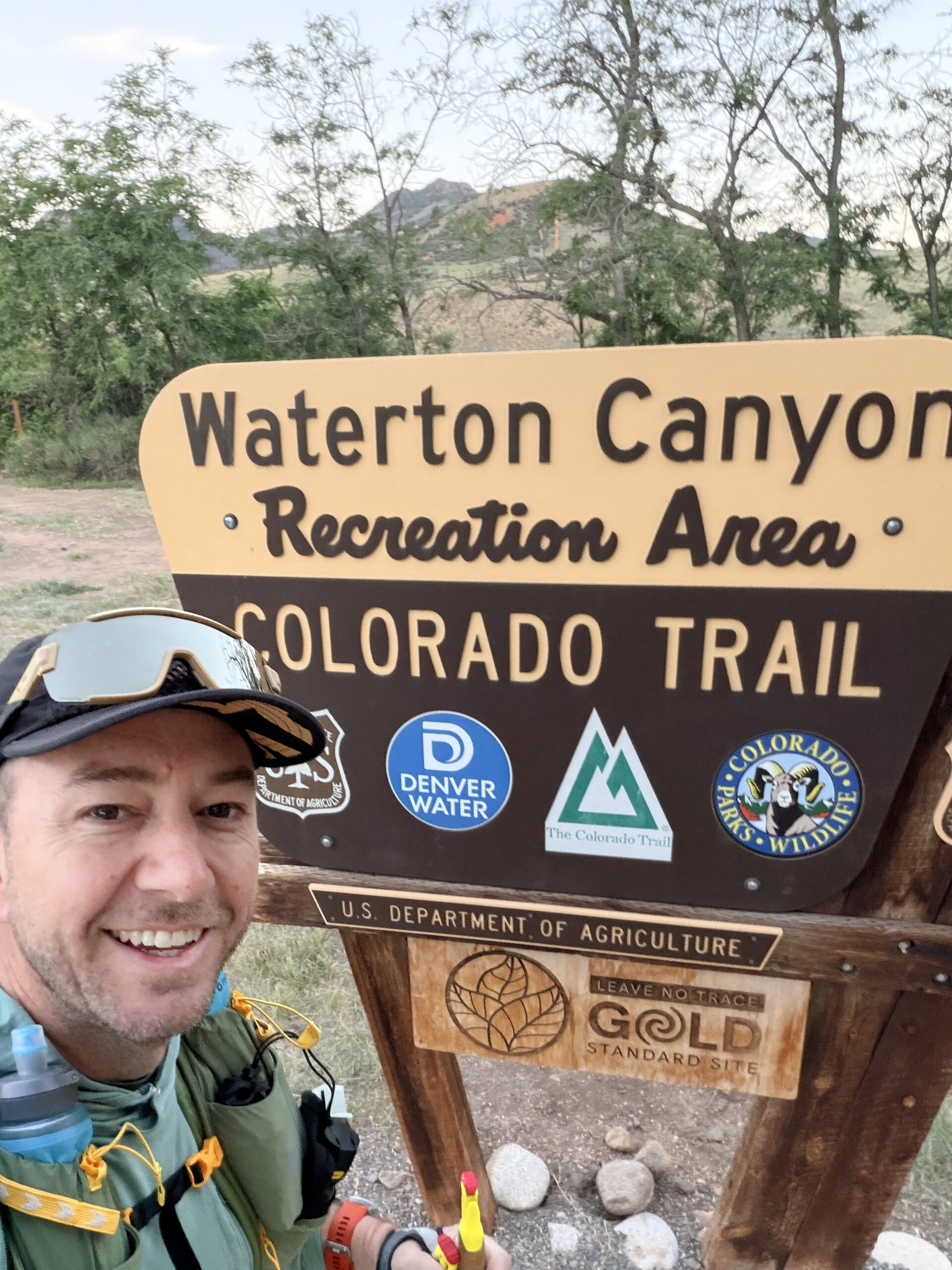
Eighteen days, nine hours. Five hundred miles. Roughly 95,000 feet of climbing. Those are the numbers from my solo fastpack of the Colorado Trail this summer, and if you’d asked me a few years ago, I never would have believed they’d belong to me. Part of what pushed me to actually take this on was a passage from Matthew McConaughey’s memoir, Greenlights, on why we all need a walkabout of our own. The idea that real solitude strips away the noise and forces an honest reckoning with yourself stuck with me long before I ever laced up my Hoka trail shoes, and it’s a big part of why I chose to spend 18-plus days alone on foot instead of anywhere else.
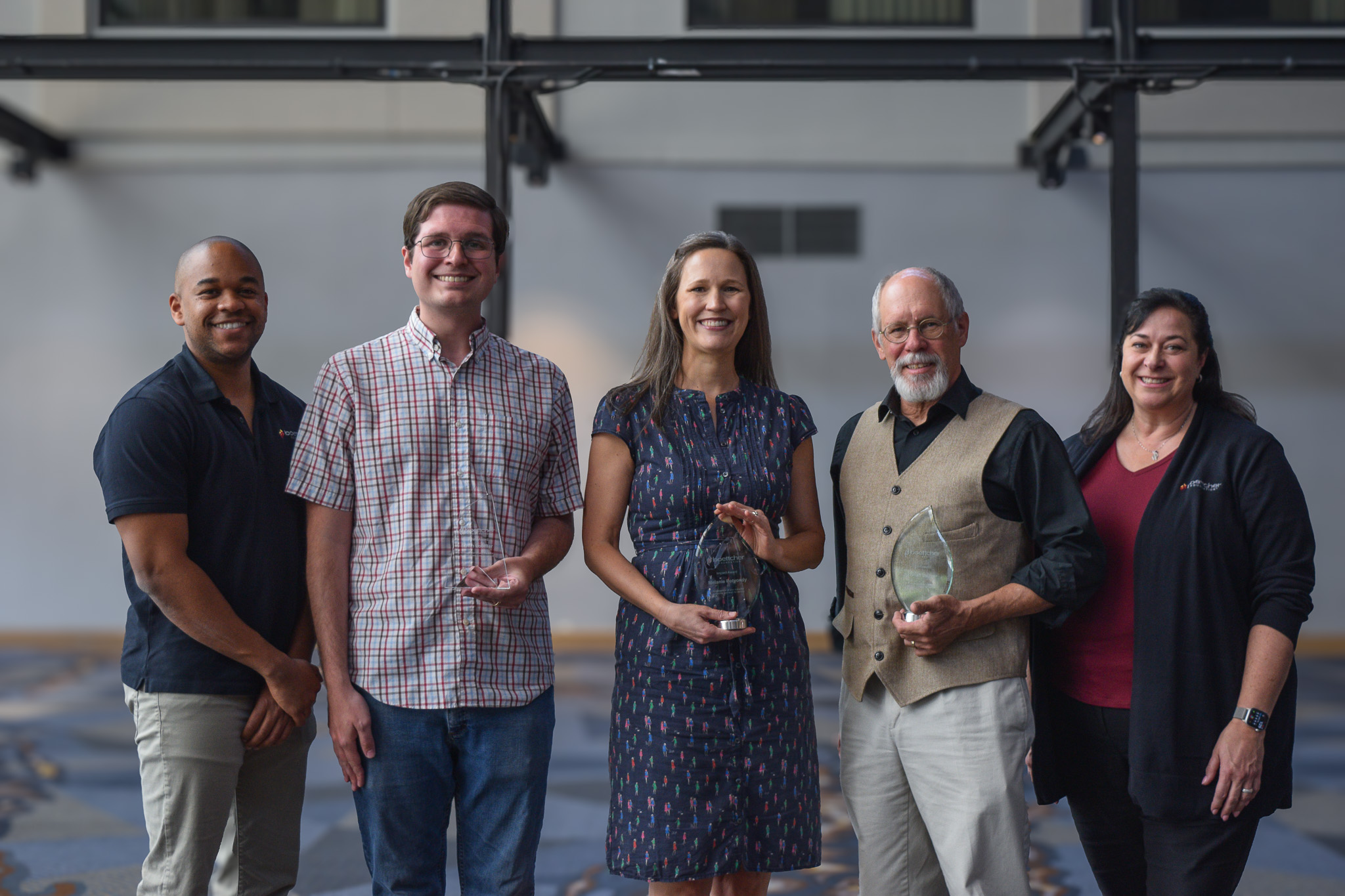
This trek couldn’t have happened without a Boettcher Foundation Professional and Personal Development Grant, awarded through their Doers & Difference Makers Fellowship. It gave me something I had never given myself in eighteen years of education leadership. It gave me permission, and real support, to invest in my own stability, not just my school district’s. What started as a grant proposal built around three pillars of stability (professional, physical, and mental/emotional) ended, fittingly, with me alone on foot, crossing the entire spine of the state I’ve spent the last seven years serving. Given this year’s Boettcher Foundation theme, Power of Place, I can’t think of a more direct way to have lived it out.
I’ve spent the last seven years leading a Colorado school district on the Western Slope, and I thought I knew our state. The Grand Valley, the Bookcliffs, the high desert around Grand Junction. That landscape is home to me. But the Colorado Trail took me through country I’d never set foot in, threading through eight mountain ranges and six wilderness areas from just outside Denver to Durango. The foothills west of Denver where it all begins, the Collegiate Peaks with their string of 14,000-foot summits standing shoulder to shoulder, and finally the San Juans, all of it high alpine basin and remote river valley and backcountry you simply cannot get to from a car or a trailhead day hike. Seven years of loving one corner of this state hadn’t prepared me for how much of the rest of it I hadn’t seen. There is a version of “place” that you understand from a superintendent’s office, a school board meeting, a community event, and there’s a version you only understand with more than 20 pounds on your back and your legs burning up a pass at 13,000 feet. Both are real. I needed the second one more than I knew.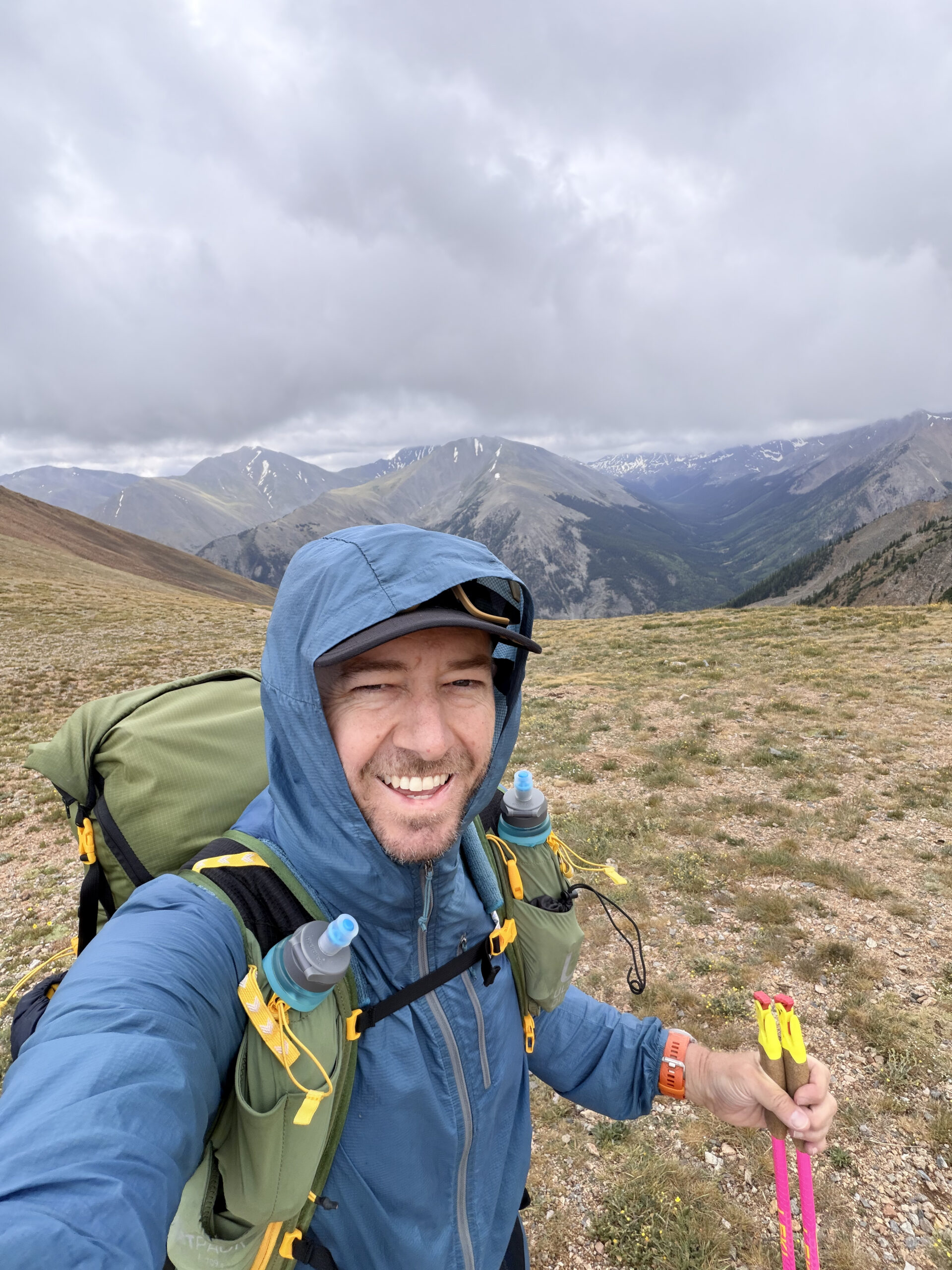
There is a difference between believing you’re capable of something and having lived proof of it. I’ve had to do hard things throughout my career (closing schools, cutting budgets, leading a school district through COVID-19), and each of those built real confidence in my own resilience. But the Colorado Trail grew that confidence in a different way than an office or a boardroom ever could, and it did it using the specific hardships of this specific place. Above treeline, Colorado’s afternoon thunderstorms aren’t a metaphor. They’re a real, predictable, genuinely dangerous part of high-country life, and most hikers try to time their days around them, summiting early and getting off exposed ridgelines by noon. I didn’t always have that luxury. To finish in the window I’d set for myself, I needed to average 25 miles a day, which meant carefully navigating changing weather while continuing to make progress when conditions allowed.
Altitude alone works on you slowly and constantly, whether you respect it or not. Somewhere around day 10, climbing my third pass of the day in rain, hail, and lightning, with nowhere flat, sheltered, or safe for miles, I felt that confidence deepen in a way that was entirely physical, not administrative. It wasn’t “the trail” testing me in the abstract. It was our state’s terrain and weather, specifically, doing what they’ve always done to people who try to cross them. The trail didn’t care about my job title or how many students I serve. It only asked one question, over and over: Are you going to keep going? I said yes enough times that by day 18, “I can do hard things” wasn’t just something I knew from my career. It was something I now knew in my body, too. I carry that differently now, back in my community and school district.
If you strip away everything the news and social media convince us to argue about, what’s left on a trail like this is remarkably simple. It’s people helping people. I met dozens of strangers over those eighteen days, from different ages and backgrounds, and probably different politics, though I couldn’t really tell you, because it never once came up. Every single one of them was kind. People shared food, water, advice, and encouragement without a second thought. Nobody asked who I voted for before deciding whether to help me, and I never asked either.
There was Ron, who showed up with a hot omelet and water at exactly the moment I needed both. There was Ken, who spends his days hiking mountain passes with his dogs and a pack full of snacks and drinks, purely so he can hand hikers like me a much-needed jolt of calories partway up a climb. And there was Mike and Maggie, a retired couple who have hiked the Colorado Trail more times than I can count, who met me with words of encouragement and, unprompted, a quick history lesson about Gudy Gaskill, the “mother of the Colorado Trail,” and about Camp Hale. None of them owed me anything. They gave it anyway. The more I sat with that, the less like a coincidence it felt. The trail itself exists in large part because Gudy Gaskill spent years organizing volunteers and championing its construction, believing this state was worth walking across on foot. The route climbs straight through Camp Hale, where the 10th Mountain Division trained soldiers to survive and depend on each other in brutal alpine conditions before they shipped out to fight in the mountains of Italy. Kindness on this trail isn’t incidental to the place. It’s inherited. Ron and Ken and Mike and Maggie are the current chapter of something Gaskill started decades ago, and I got to walk straight through the middle of it. In a career that increasingly asks me to navigate division, that was the most important lesson of the entire trip. Underneath all the noise that supposedly separates us, people still take care of each other. That’s not naïve. I watched it happen, day after day, for over two weeks straight.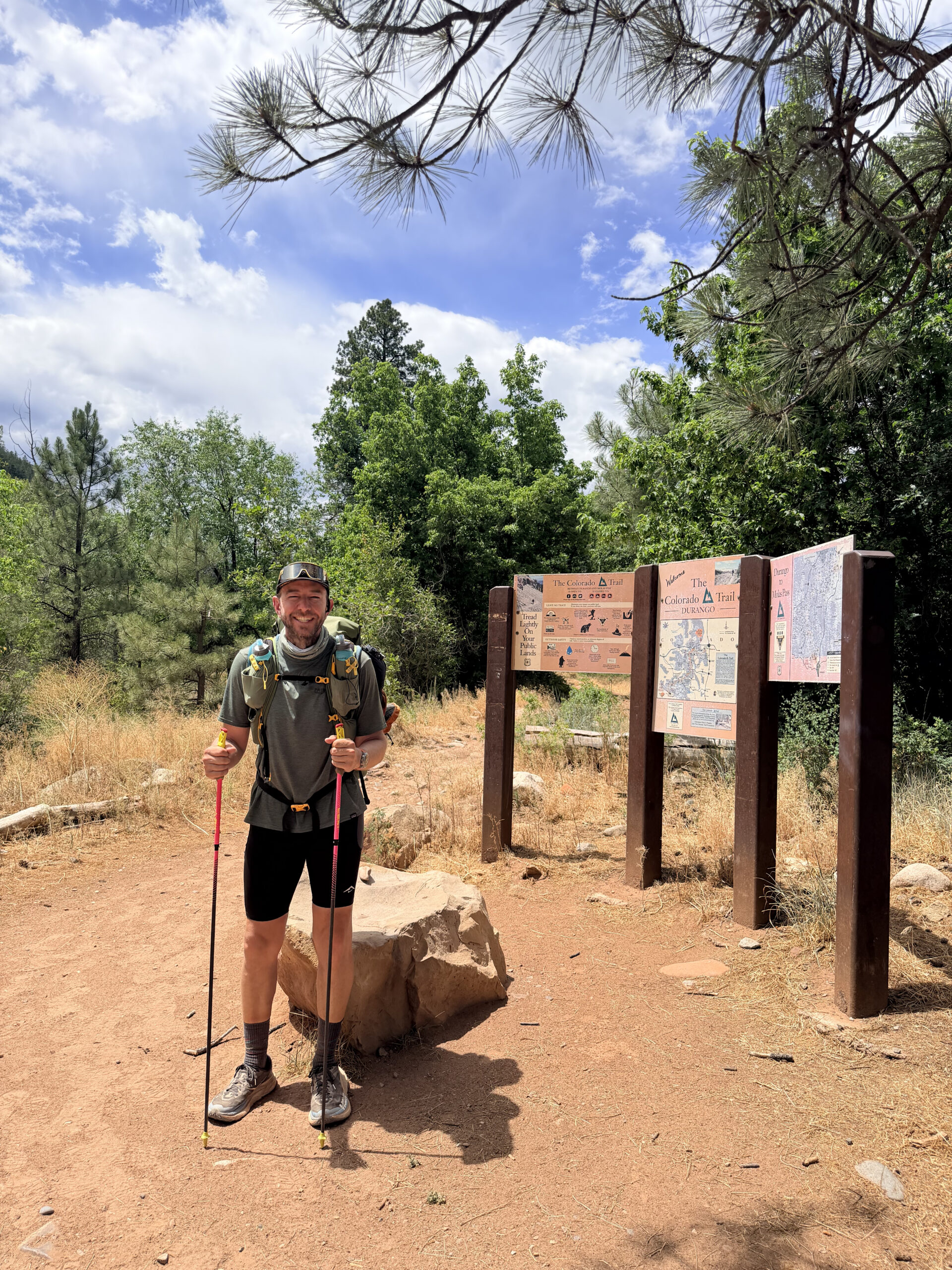
For 18-plus days, I had no email, no social media, no news. I carried my phone, but only ever pulled it out to check maps, and I carried a satellite communicator, but only for emergencies and to let family and friends know I was safe. Beyond that, it was just trail, weather, and my own thoughts. At night, it was a kind of dark and quiet most people never get to experience. Colorado’s high country, far from any town, gives you skies genuinely full of stars and a silence you can actually hear, and both did as much for me as the unplugging itself. I expected the lack of a phone to be hard. What surprised me was how much better I felt because of it, and one detail in particular has stuck with me since I’ve been home.
I slept better in a tent on the ground in the wilderness than I did in the few hotel rooms I passed through along the way. Every time I stepped back into a town, with walls, noise, artificial lighting, Wi-Fi, a television in the corner, and my phone lighting back up with everything it had been holding, my sleep got worse, not better. That’s not a coincidence, and I don’t think it’s unique to me. We’ve built daily lives so saturated with input that even our rest gets compromised by it. The trail didn’t just let me unplug from technology; it let me feel, directly, what all that constant stimulation actually costs us, in our health, our sense of groundedness, and our ability to really connect with the people and places around us. I came home wanting to protect a little more silence in my life, on purpose, rather than treating it as something I’ll get to eventually.
None of this was self-improvement for its own sake. The whole point of the Stability Framework, my proposal to the Boettcher Foundation, was that a superintendent who isn’t taking care of his own stability eventually runs out of the capacity to lead well. I came off that trail with more than sore legs. I came off it with a tested, physical understanding of resilience, a renewed trust in people that I want to extend to my staff and community, and a much clearer sense of what overstimulation and distraction are quietly costing all of us, kids included. I intend to lead differently because of those five hundred miles, not despite them.
Colorado gave me that. Not an abstract “Colorado,” but the actual, specific place, its passes and its people, its wilderness and its weather, that I’ve built a career and a life around. That’s what the Power of Place has meant to me this year. The place didn’t just host my growth. It caused it.
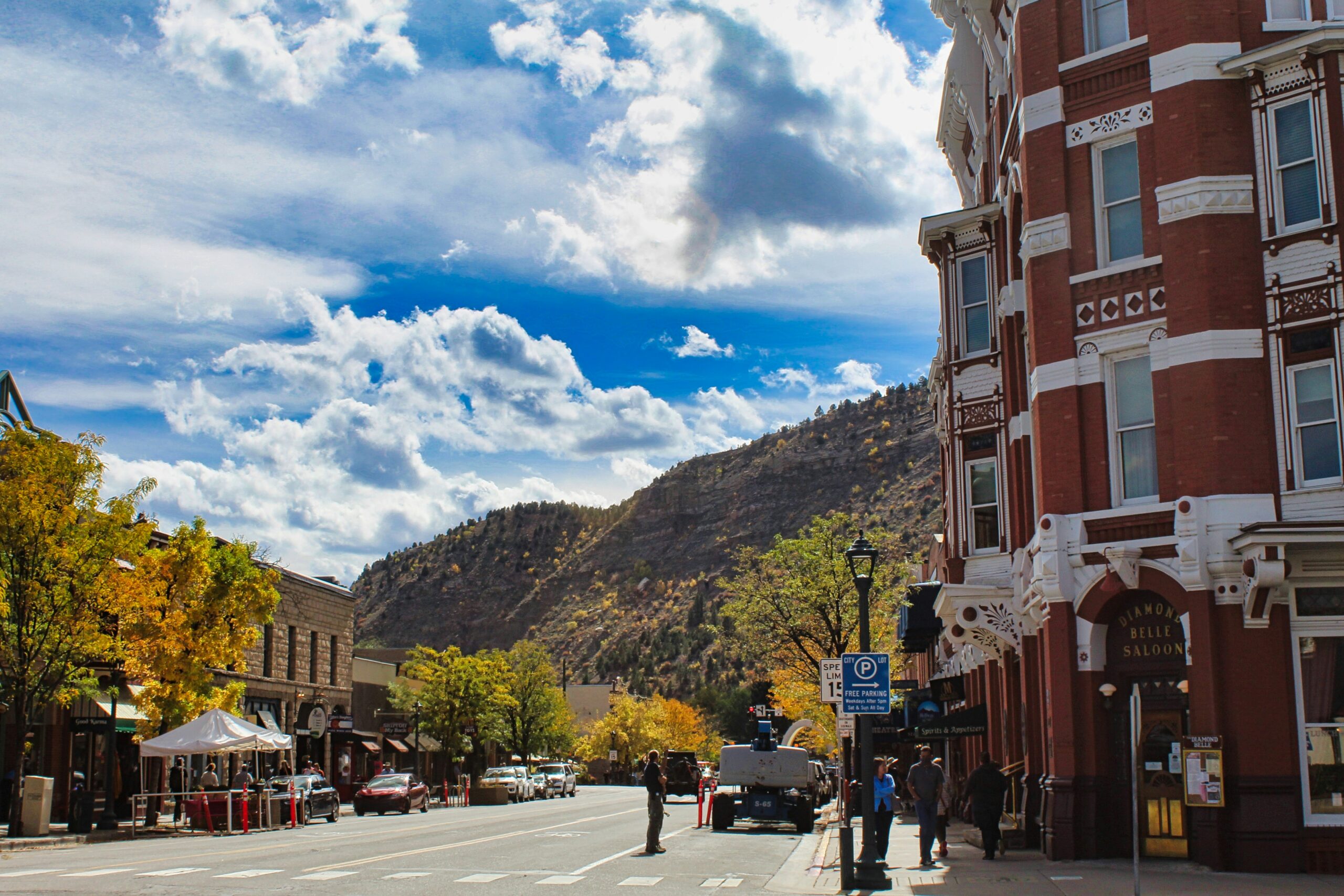
I started this trek in the foothills west of Denver and finished it in Durango, but the real ending came a little later, driving back across the state to Grand Junction, back to the Grand Valley, back to my community, back to the school district I’ve spent seven years leading. Five hundred miles on foot, and then a few more hours on the highway, and I was home in the same place I’d started from. It just took the whole state, and everything it taught me along the way, to get me fully back there.
I’m deeply grateful to the Boettcher Foundation for the trust and support behind this fellowship. It changed how I think about leadership, and it changed me. I believe that’s the spirit of Boettcher.