Technological innovation is thriving all over Colorado, driven by leaders rooted in their communities.
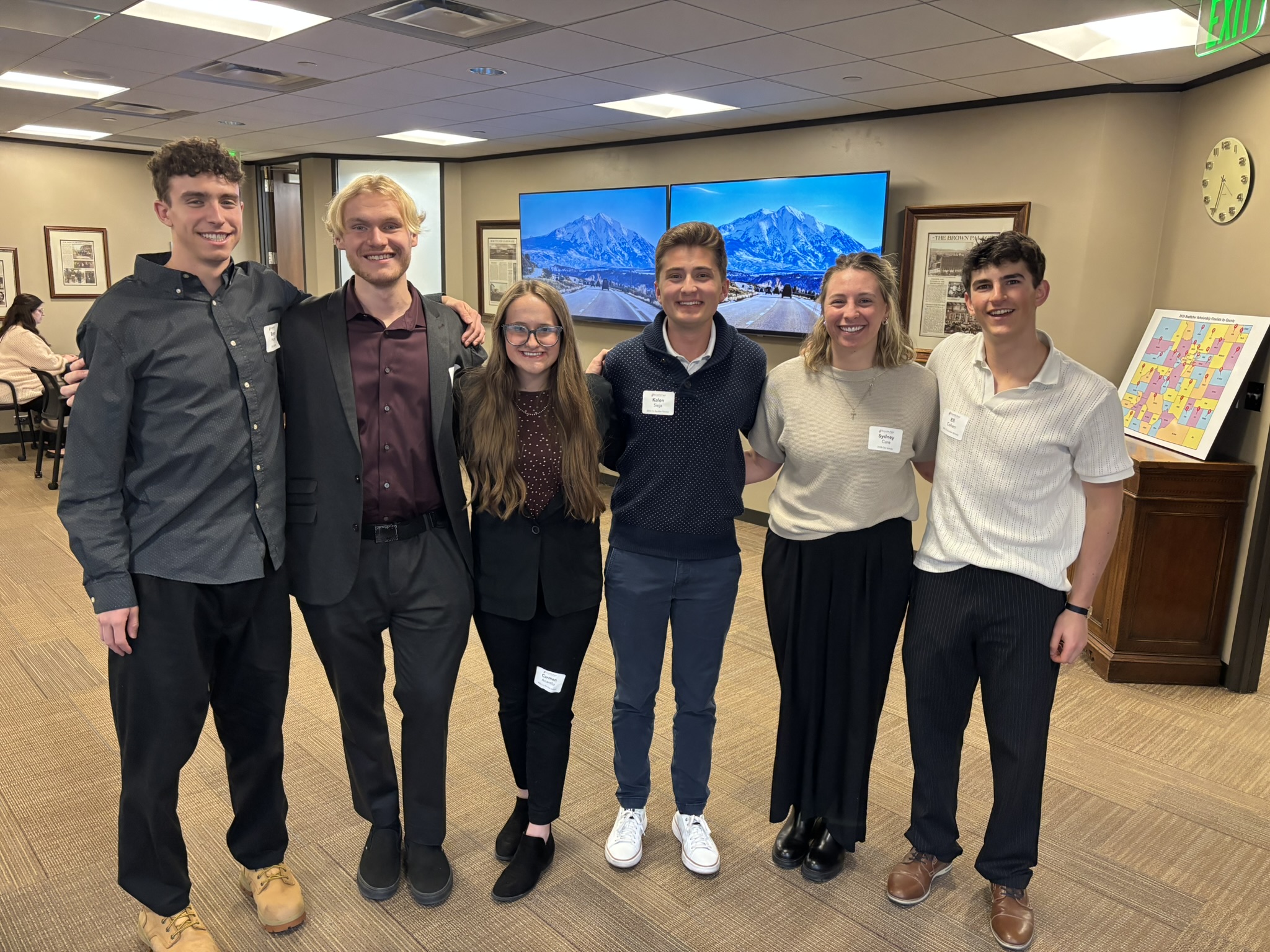
In this Q&A, meet Sarah Hinkley, the CEO and Co-Founder of Barn Owl Precision Agriculture (BOPA). BOPA’s fleets of Autonomous Nano Tractors (ANTs) weed and spray small and mid-sized farms, reducing the strain of physical labor. Based in La Junta, Sarah recently presented at Boettcher’s Rural Leaders Collaborative and shared how she and her team are identifying emerging challenges and building practical solutions for Coloradans.
Content has been edited for length.
What is Barn Owl Precision Agriculture?
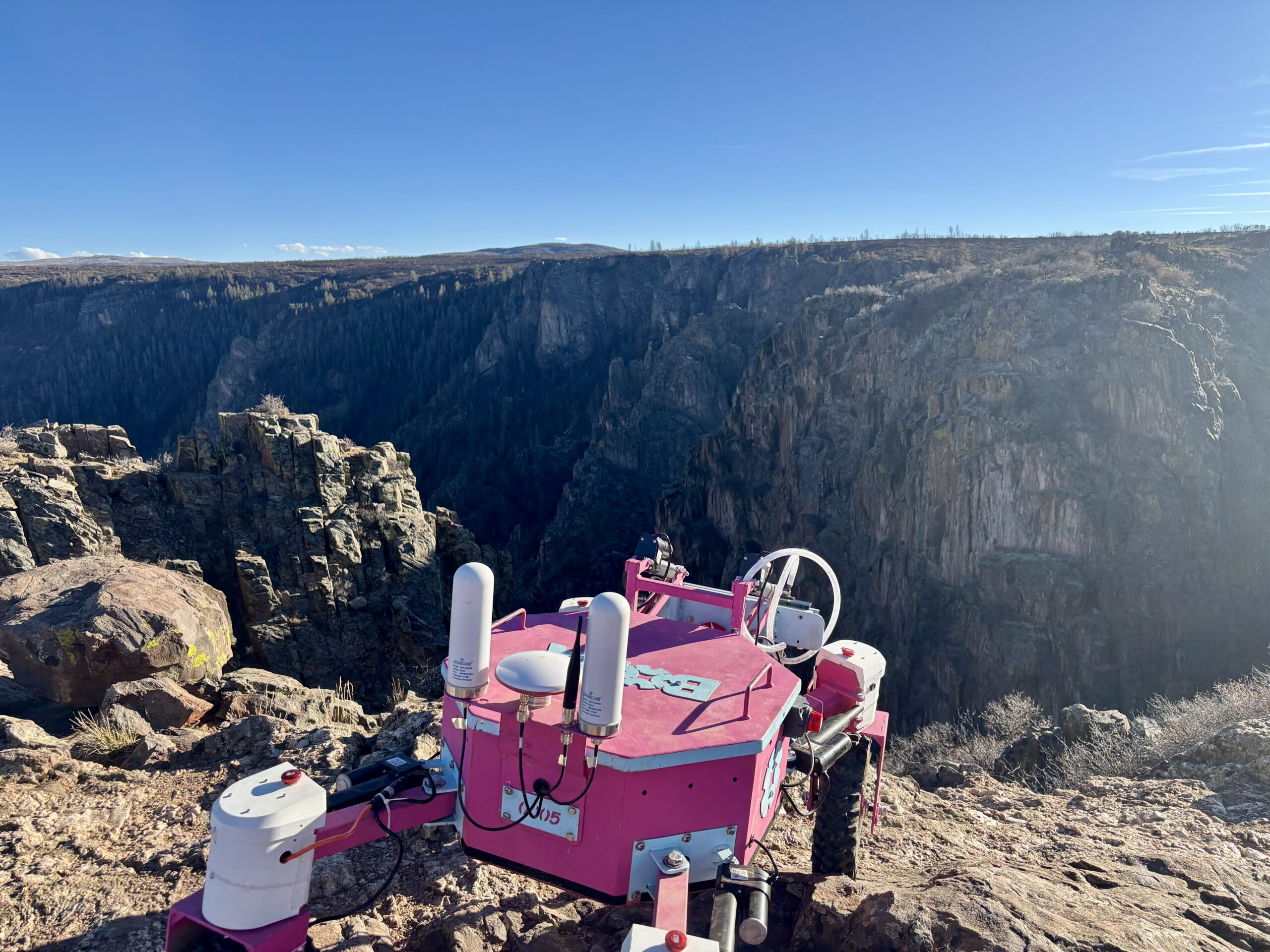
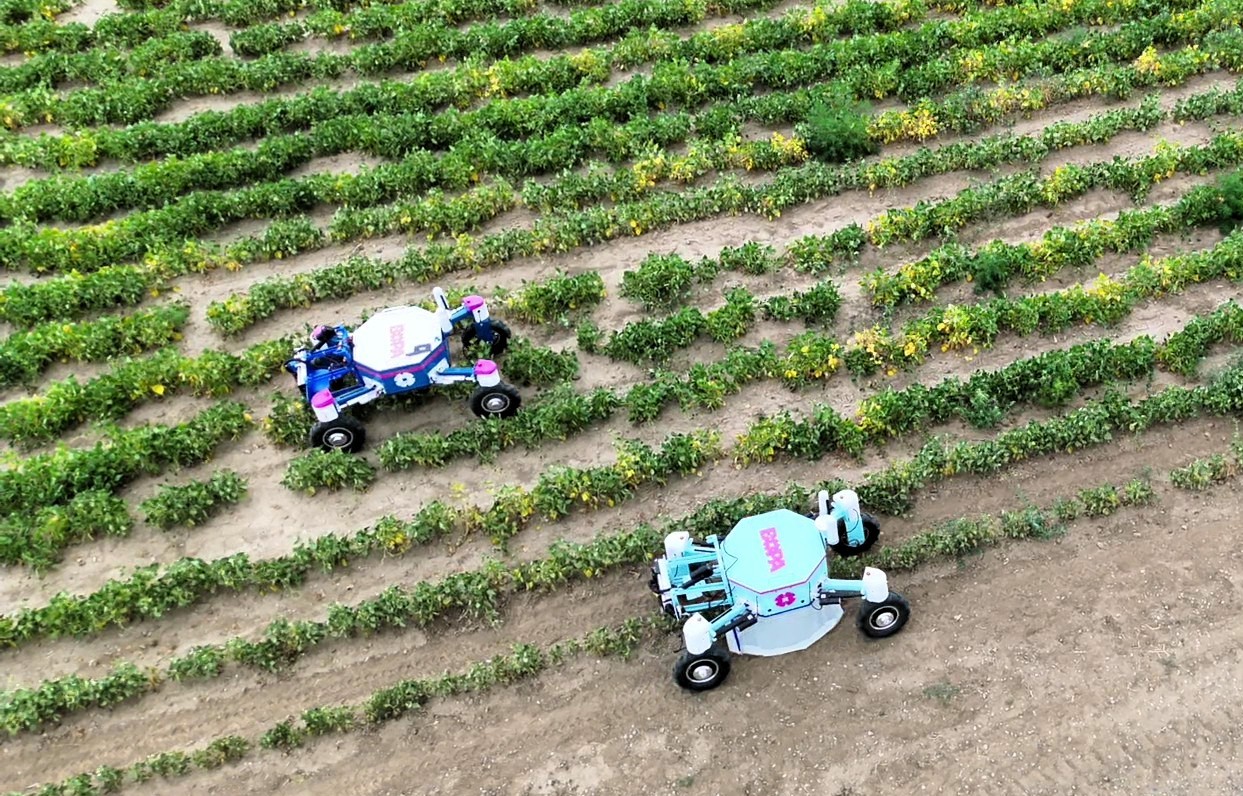
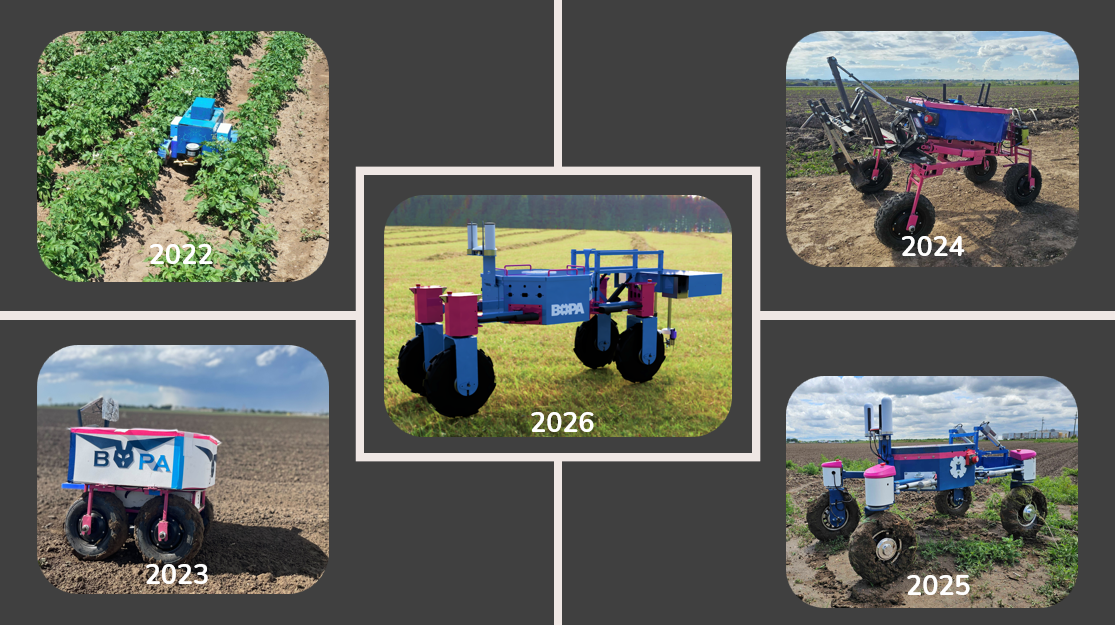
BOPA is redefining farm operations with the ANT—a small, worker robot built for precision weeding and spraying. The ANT helps farms cut labor costs and reduce chemical use without taking on more debt.
The ANT uses our patented mechanical weeding system, the BOPA Blade, which can remove weeds late into the season. It also features an interchangeable targeted spray system, allowing farmers to balance mechanical and chemical control. With an adjustable wheelbase for diverse crops and practices like no-till and cover cropping, the ANT is lightweight, flexible, and easy to operate. BOPA is providing small and midsize farmers with access to affordable, automated farm tools.
What inspired you to start your business, and what gap or challenge in agriculture are you addressing with AI-driven technology?
BOPA is a family founded company with roots in La Junta, Colorado, and farming communities across Arkansas, Missouri, and Tennessee. My family, like many others, stepped back from farming due to labor shortages, rising input costs, and increasing debt pressures. When we moved back to La Junta after college, we saw our neighbors were all facing the same challenges. We actually started by flying drones over the farm fields and using AI to identify different areas of operational concern, like insect pressure or irrigation leaks. Our farmers asked for more help in the fields so we started working on the farm robot in 2021.
We focus on weed control because it drains more labor and inputs than almost any other task. From there, we’re expanding into precision nutrient and input applications, giving farmers a path to stay profitable and competitive without overextending themselves. The ANT detects the difference between crops and weeds and can target within 1cm using AI and visual detection.
What were some of the biggest challenges you faced in the early stages of launching your business?
Creating real flexibility for farmers means making advanced technologies work together seamlessly. We took on two of the hardest problems in agriculture, field autonomy and AI-driven actuation, and built them into one system because farmers needed it. The challenge wasn’t just technical, it also involved creating something adaptable enough to perform in constantly changing field conditions while remaining simple and affordable for small and midsize farms. We overcame that by iterating quickly and getting into the field with farmer feedback every chance we could. That understanding has been critical to building something that actually works at scale and in different environments.
Farm robots are hard. Securing capital to build emerging technology around agriculture has been a major challenge. There is an amazing opportunity to discover and explore things we’ve never seen before in farm ecosystems from soil health to seed development and our farmers need this more than ever. It seems like this market is starting to recover but imagine what we could do with more support for farmers to adopt and companies to deliver.
Was there a moment when you weren’t sure the idea would work? What helped you push through that point and keep building?
There are always moments of uncertainty, especially when you’re building hardware in agriculture. What pushed us forward was the farmers themselves. When growers understand what you’re trying to build and say, “This is exactly what we need,” it gives you the confidence to keep going. We stayed focused on solving real problems, one step at a time. That grounded approach helped us move through uncertainty and continue building something meaningful.
How have you worked to build trust and demonstrate the value of your tools to producers?
Farmers want results, not promises. We’ve focused on getting the ANT into the field early and often—working directly alongside growers, running demonstrations, and proving potential ROI in real conditions. Our lease model reduces upfront risk, and the system integrates into existing operations without forcing major changes. Farmers deal with trials that don’t go according to plan, so starting small and growing together has helped us to learn and maintain partnerships over the years.
Looking back, what lessons have you learned about leadership and resilience while growing your business, and what advice would you give to others trying to innovate?
I’ve learned that growth involves staying grounded in reality while continuing to move forward through uncertainty. You have to make decisions without perfect information and keep your team aligned around a clear purpose. My advice to innovators is to talk about your thing with others because you will learn so much about yourself, the idea, future thinking, and what the market might think of it just by starting the conversation.
Your work is rooted in agriculture and the Eastern Plains. How has the place where you work shaped the way you built your business?
These rural, farm- and manufacturing-focused ecosystems have shaped everything about BOPA. Building in Colorado demands resilience. Farmers are managing water constraints, labor shortages, tight margins, and increasingly unpredictable conditions. This drives you to build tools that are practical, durable, and affordable. It also shaped our broader vision. Increasing farm profitability isn’t just about the farm—it’s about strengthening entire communities. When farmers succeed, that success flows into local businesses, schools, and families, helping to create future farmers who can thrive and feel good about sustainably feeding the rest of us.
That’s the Spirit of Boettcher.