In the high-altitude desert valley of southern Colorado lies a town called San Luis.
Established in 1851, San Luis is the oldest town in Colorado. Its adobe buildings and acequia-fed fields trace the lives of the town’s early Spanish settlers who came to the region as part of the Sangre de Cristo Land Grant nearly 200 years ago in pursuit of a better life.
But today, the town is rallying together to etch its own mark in history. One that transforms the community’s longing for gathering spaces and recreational activity into a once-in-a-century reinvestment.
The project’s origin
There’s an age-old saying for small towns like San Luis: everybody knows everybody. Home to roughly just 650 residents, the community is made up of families and friends who have shared the same streets for generations.
“I was born and raised in San Luis,” said Town Clerk Lorri Valdez. “My parents and grandparents are from here. Our family owns a ranch here that’s been under our name for over 100 years.”
But despite having such a small, intimate community, there was a big obstacle preventing the town from reaching the next level of cohesion.
Two years ago, a local leadership organization called the Soul Players of the Valley (SPV) launched a community-wide survey soliciting feedback from residents in San Luis and other adjacent towns in Costilla County. The results showed that most locals believed programming opportunities—especially for youth—were extremely lacking.

And they weren’t wrong. Other than a small collection of high school sporting events like basketball and baseball games, the town had little to offer the San Luis community outside of work and school.
“We realized with the survey that there aren’t very many amenities or gathering places for folks in town,” Town Manager Teddy Leinbach said. “We heard from our residents and our goal became providing more recreational programming in San Luis.”
For residents like Valdez, the new focus was huge. She believes communal activities are a perfect way to keep children in the community engaged in an uplifting way.
“Growing up, me and my friends would always find things to do, but they weren’t always positive,” she said. “Now our kids and the community have something good to do and they can feel a sense of town pride that we never had.”
The future of San Luis
To launch the project, Leinbach and his San Luis partners received a planning grant from the Colorado Health Foundation, which helped them form a town recreation committee and host partner meetings and community sports tournaments.
But the full plan revolves around one main catalyst: the town’s very own brand new recreational space.
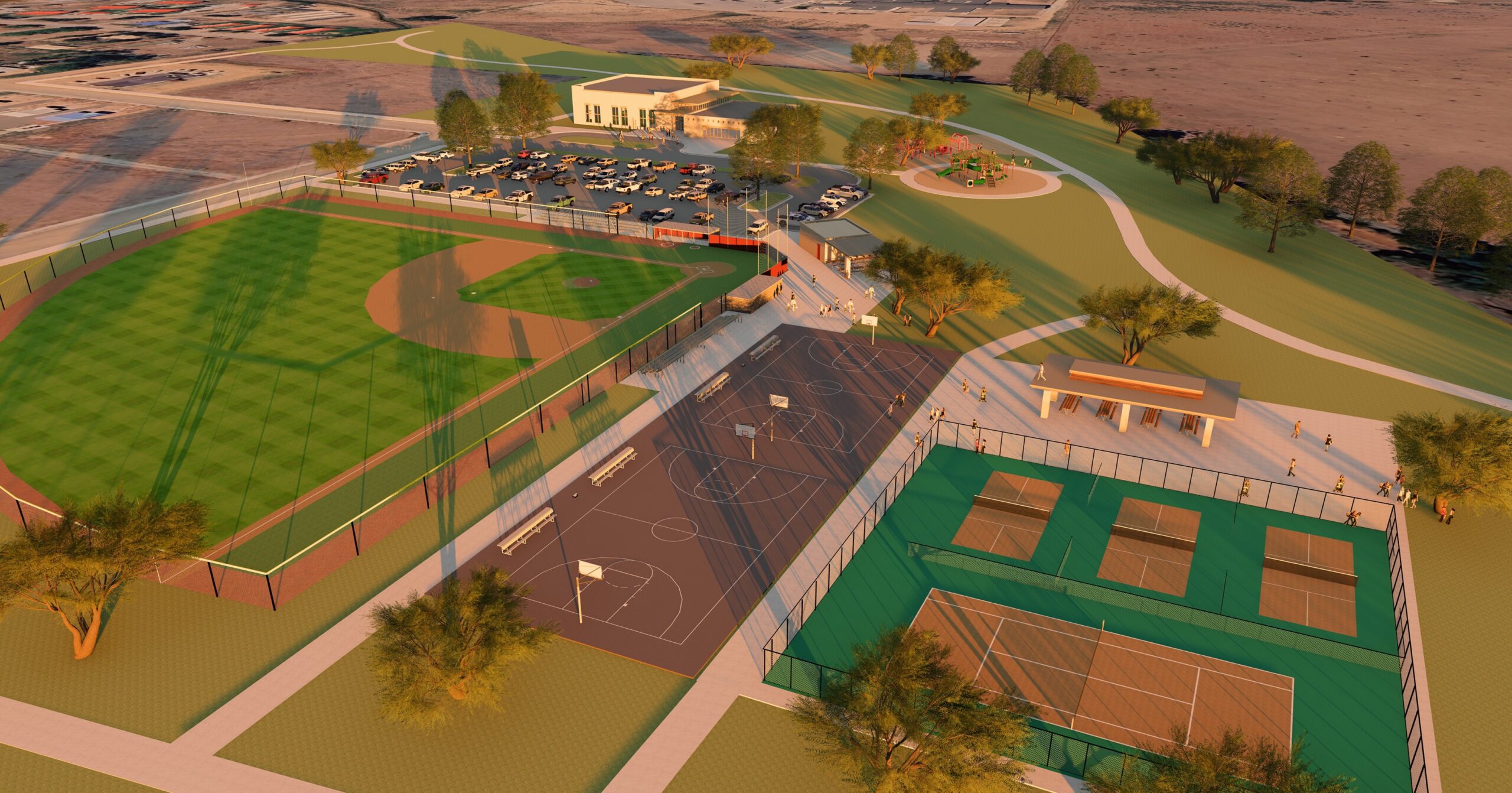
Equipped with softball fields, walking trails, an indoor rec center, a pedestrian bridge, and potentially even a rodeo venue, Leinbach envisions a day where the comprehensive rec site represents the future of San Luis.
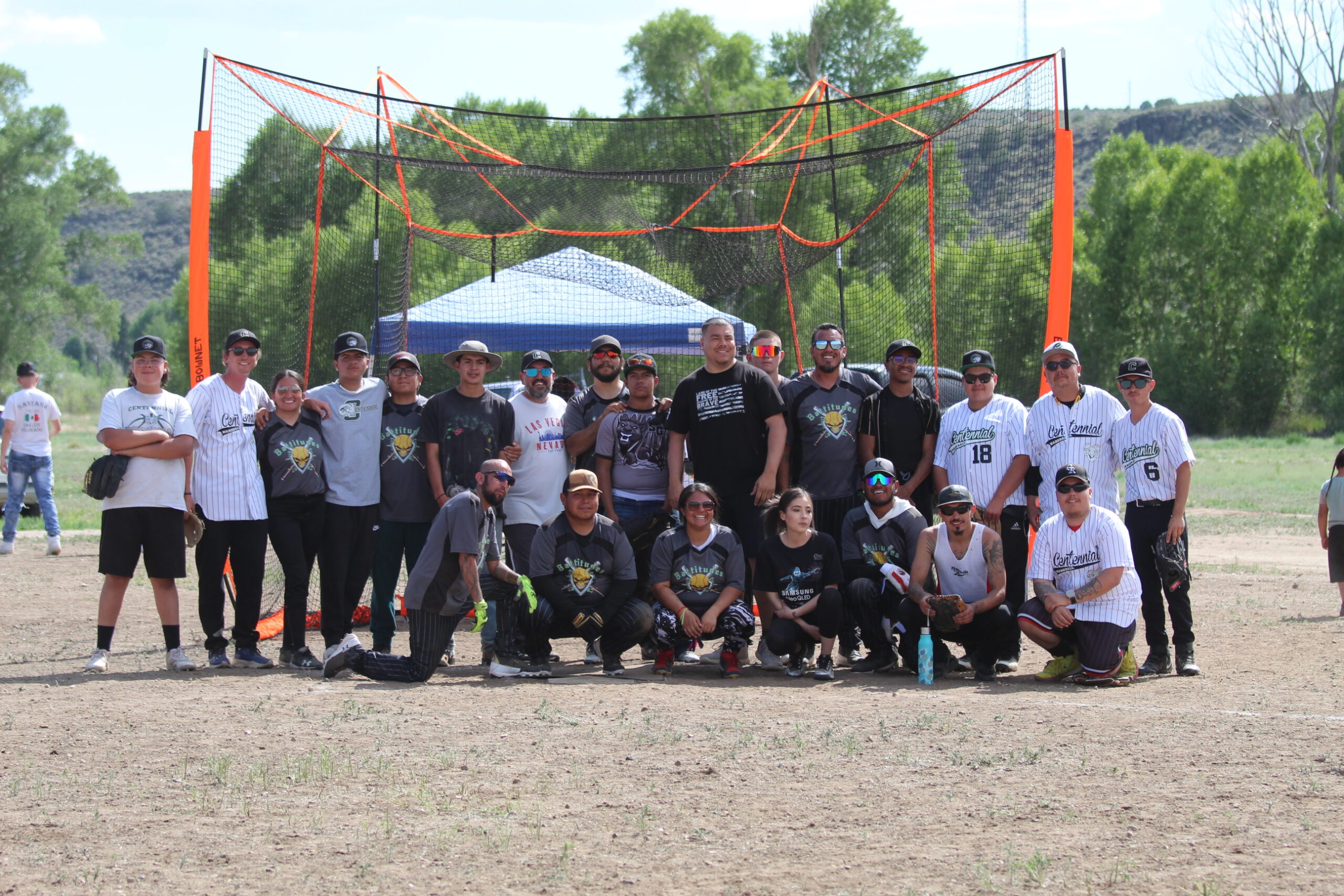
“A big part of our socializing here in this area, especially during the summer, is playing sports in town leagues. You might see hundreds of people gathered around a softball field at any given week night in Alamosa,” said Leinbach. “It’s a great way to bring the community together and spark engagement, but it’s not very accessible in San Luis. Our residents have to drive over an hour to play because we just don’t have the space here.
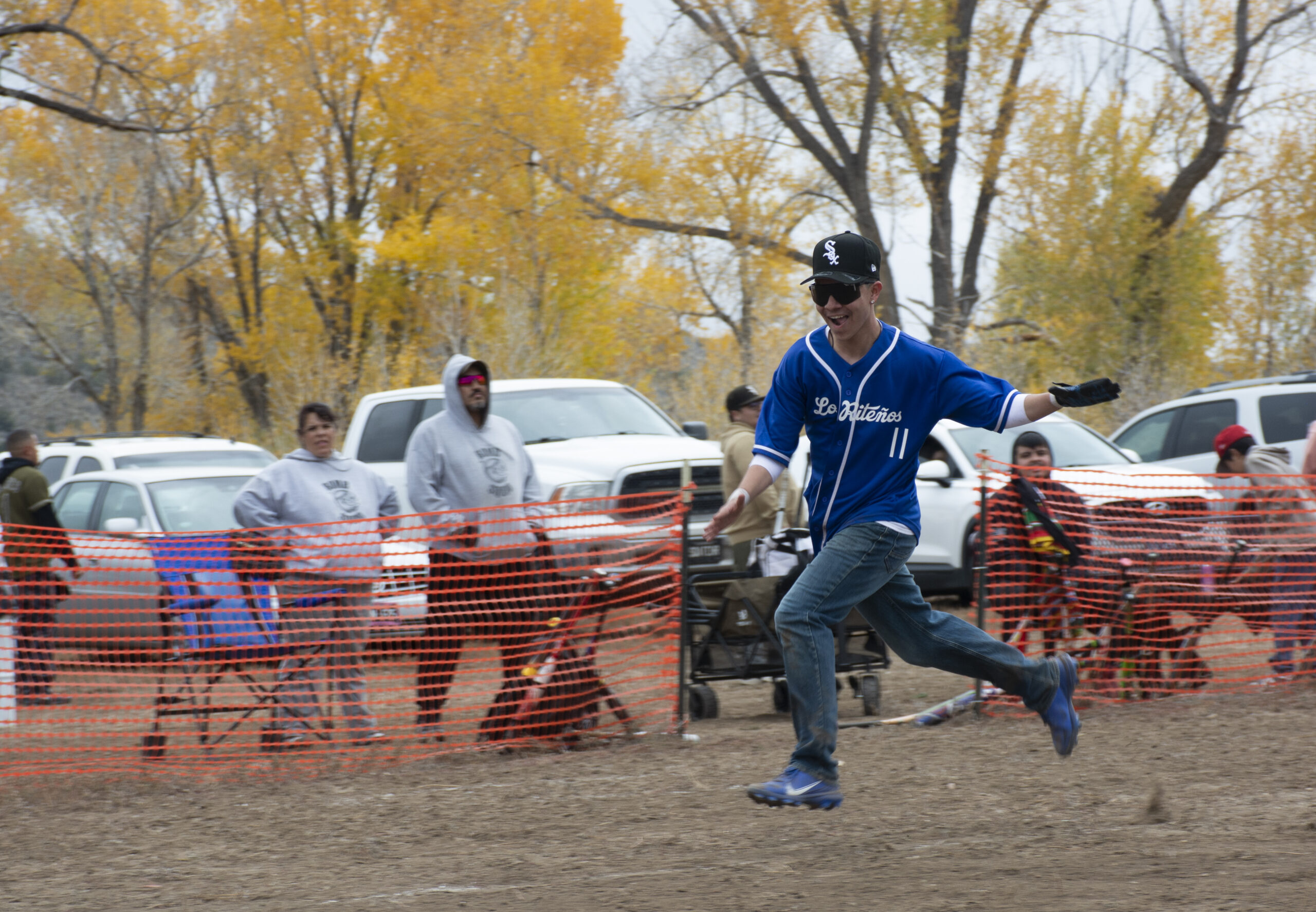
“We set up a little makeshift softball field and saw that people in town want to do these things. They want to get together and play.”
The planned recreational space is also another way to bring San Luis closer to its culture. Jason Medina, executive director of the Community Foundation of the San Luis Valley (CFSLV), says that sports—like everything else in town—can be traced all the way back to its roots.
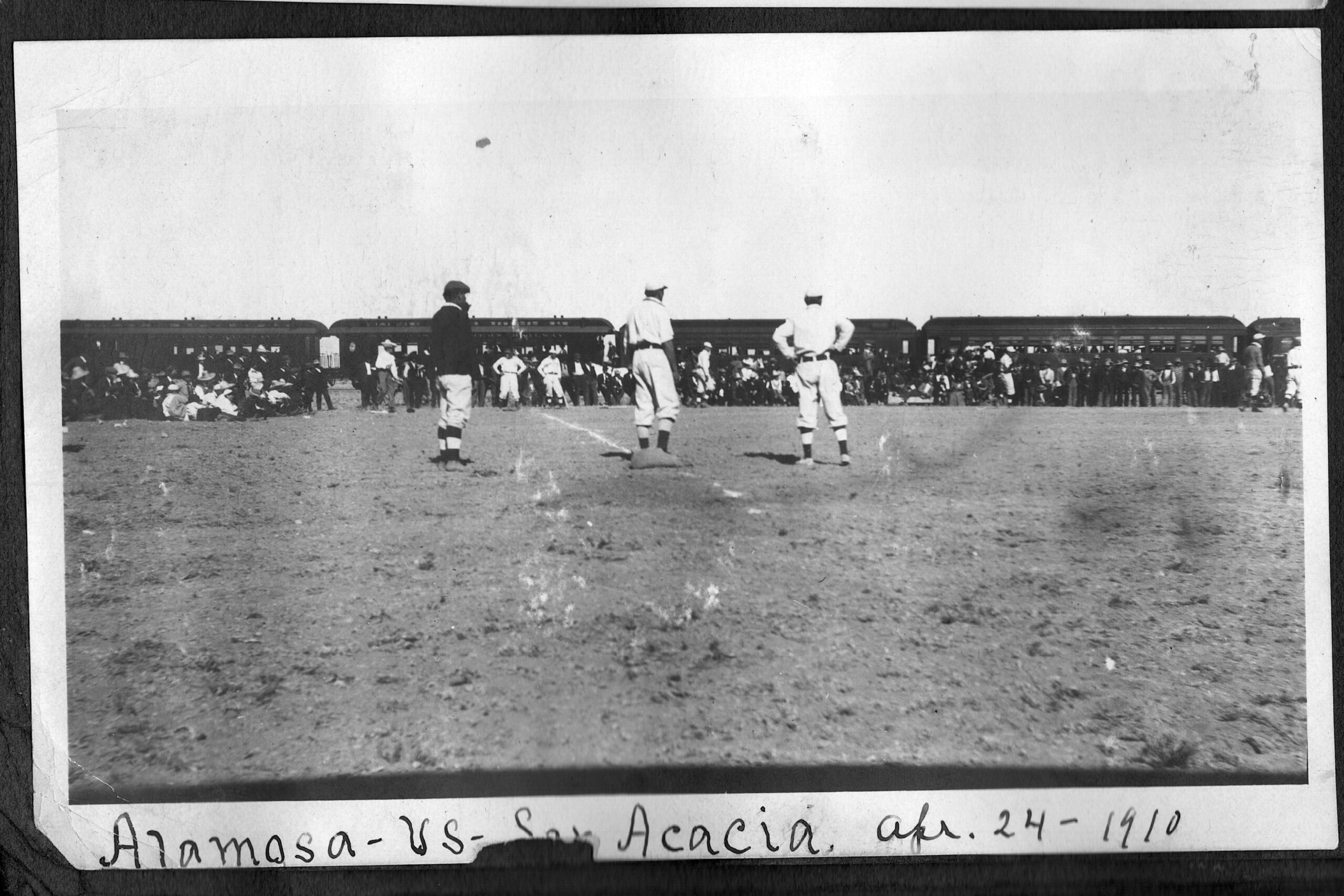
“Back in the 1850s, San Luis was broken up into six different sections. Each little town had their own baseball team,” Medina said. “If one town beat another, that was pride they would carry for an entire year until they played again. If we had something like that now, we would all remember that pride and bring that history alive again.”
The crucial small-town partnerships
Recently, Leinbach and his town partners were awarded another round of funding—this time via the Boettcher Foundation’s Rural Catalyst Grant Program, to help complete the planning process for the town’s highly anticipated recreational site.
But for Leinbach and other leaders in the greater San Luis Valley, it’s not just about money. It’s about strengthening relationships and key collaborations that allow small, rural communities to thrive.
‘It’s just Lorri (Valdez) and I in the office. We have a town board, but the town of San Luis as an entity is an extremely small organization,” Leinbach said. “We certainly can’t complete this project alone and we are lucky to have so many impactful partners in the community.”
One of those partners is Centennial High School, a key pillar in the town. Their collaboration helped secure the vision for a pedestrian bridge that would connect the school with the future community park.
Another frequent collaborator is Medina and his team at CFSLV. Their group helps strengthen and enrich the region through engaged philanthropy and thoughtful grantmaking.
For large projects throughout the valley, Medina says they play a pivotal role acting as a conduit between large funding sources and the community.
“We know that our communities need money for projects like the recreational center, and there are funders out there who want to invest,” Medina said. “It can’t just be this large funding source trying to connect with one person on the ground—they don’t know the needs of the community like we do. Our job is to create those partnerships and connections so these dreams can be realized.”
It takes a village to maintain a rural community as precious as San Luis, and for a town built on centuries of heritage and tradition—older than Colorado itself—its next chapter is becoming clear.
A future shaped for community, by community. That’s the spirit of Boettcher.