Seventy miles.
That’s how far Tara Marquez once drove each morning to drop her daughter off at childcare before heading to work in Alamosa.
And when her work day was complete, she climbed back into her car and retraced the route once more to pick her daughter up and head home.
“It was definitely hectic,” Marquez said. She let out an anxious chuckle as she reflected on those early, difficult days. “But I had no other choice. I needed to work and I needed childcare.”
For many Coloradans—especially those in the densely populated Denver metro area—this grueling routine seems foreign and nonsensical. But Marquez’s experience is far from unique in the San Luis Valley, where a fragmented childcare system has long struggled to meet the needs of families across one of the state’s most rural regions.
That’s why a coalition of local partners and organizations are rallying together to launch a new rural infrastructure project in a community-led effort to reshape the valley’s childcare landscape.
A system stretched thin
The San Luis Valley is one of the largest alpine valleys in the world. Spanning approximately 8,000 square miles, it’s roughly the size of some small U.S. states like Connecticut or New Jersey.
But despite this great size, childcare options in the area are scarce.
According to the Early Childhood Council of the San Luis Valley, there are only 45 licensed childcare providers across six counties and 18 communities. By comparison, a similarly sized state like New Hampshire has nearly 830 registered childcare programs—a stark contrast.
Of course, there are reasons for this deficiency. Funding gaps, infrastructure hurdles, and a shortage of qualified workers underscore a system that lacks the resources and capacity needed to expand access. Not to mention, geographic barriers that isolate and divide smaller, rural populations and towns by vast distances and rugged terrain.
However, President and Co-Executive Director of the Boys and Girls Club of the San Luis Valley (BGCSLV) Aaron Miltenberger claims even parents in some of the valley’s most prominent areas are struggling to secure quality childcare for their children.
“Take Alamosa as an example—the largest and most resource abundant community in the valley,” said Miltenberger. “Currently, there are only licensed slots for three out of every 10 children between the ages of six weeks and six years old. That means 70% of children don’t have any kind of access to childcare.”
And the numbers only get worse. Only one out of every 10 children under the age of three have access to licensed care, something Miltenberger says is extremely detrimental to almost all facets of life in the valley.
“This isn’t just about childcare. This is a family, mental health, community stability, and workforce issue, too,” Miltenberger said. “We learned over a decade ago that when parents can’t find care, they can’t work or provide. And when kids don’t make stable relationships early, schools and systems can feel that impact for years.”
A new model tailored to the Valley
As the need for childcare continued to rise, Miltenberger and his team at the BGCSLV began developing a plan to reimagine early childhood learning in the valley.
The project, unveiled in 2023, revolves around one key opportunity: the Early Childhood Learning Center.

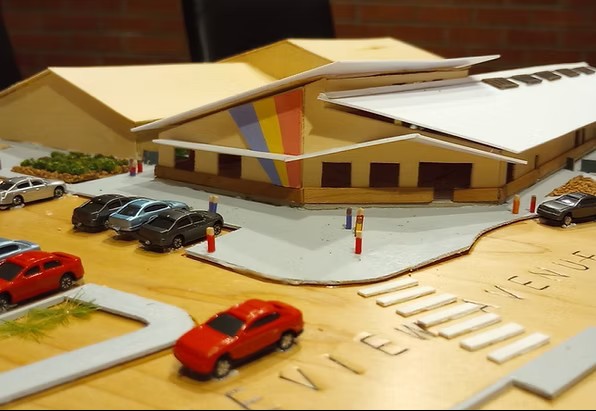
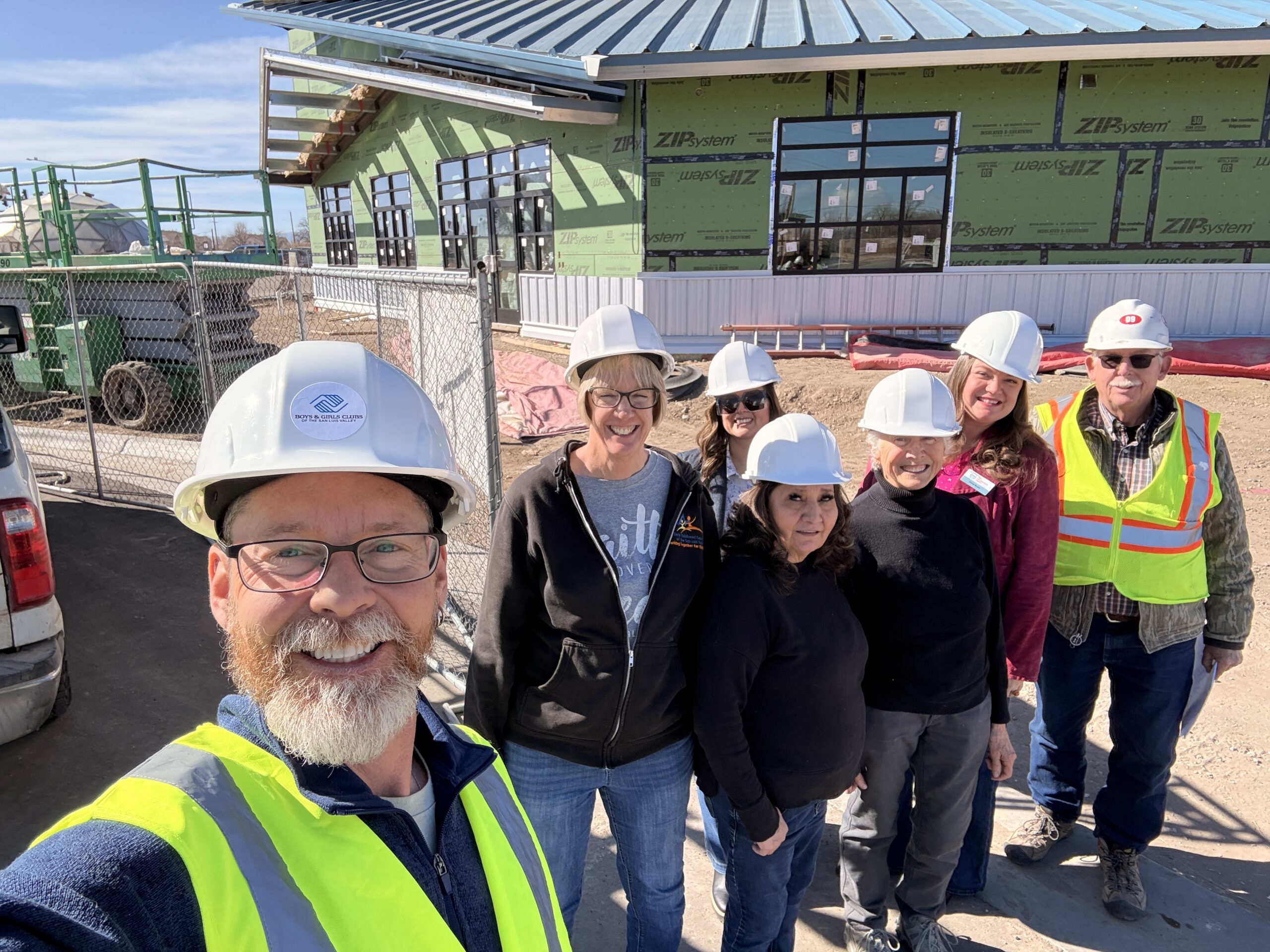
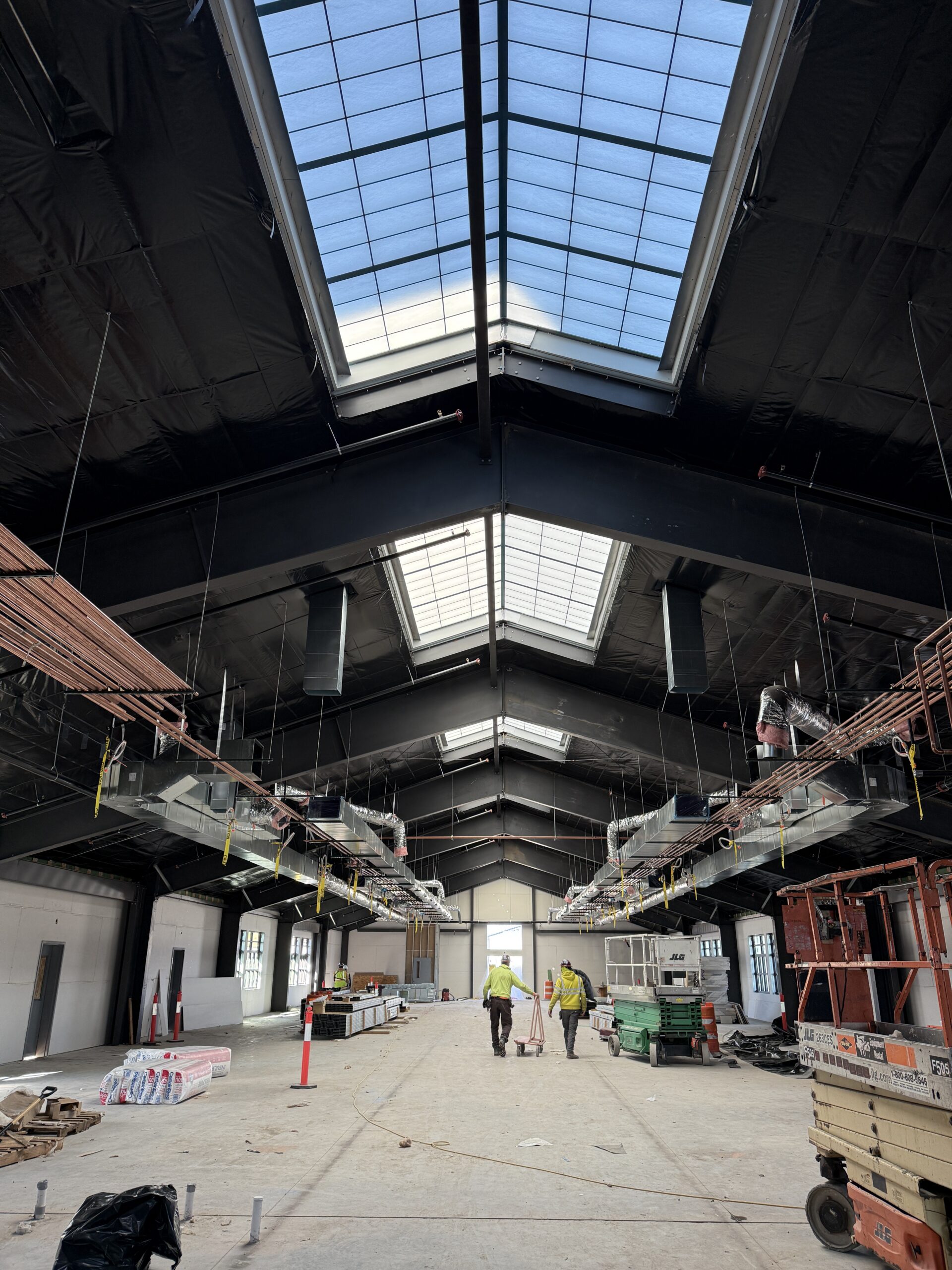
Coming soon to the BGCSLV campus in Alamosa, this state-of-the-art facility will feature 17,608 square feet of dynamic learning and caregiving space. It will contribute nearly 160 new childcare slots for all children between the ages of zero and six, quickly addressing more than half of the demand in Alamosa County.
The center will also create at least 40 new jobs, boosting the local economy and allowing the team to attract talented childhood education professionals from all throughout the region. In fact, the team is also partnering with local universities in the area—such as Adams State University—to create pipelines for workforce development.
But Miltenberger says the center isn’t just a new after-school program with increased capacity. He believes it has the potential to benefit the community in other areas, as well.
“One of the things that’s come up for us as the project has evolved is behavioral health,” said Miltenberger. “For example, we learned through some of our early survey work that the second largest barrier to parents seeking treatment and recovering from drug abuse is access to childcare.
“This is something that can positively impact community health and safety.”
Startup Director Vanessa Martinez also says the project can have an equally crucial impact on youth—especially when it comes to the foundation of their future.
“Socialization and building confidence is extremely important for these kids,” Martinez said. The first five years of their lives are fundamental for the rest of their educational lifespan. We want to get ahead and strengthen those ideals now so that families are more successful in the long run.”
The Power of Place
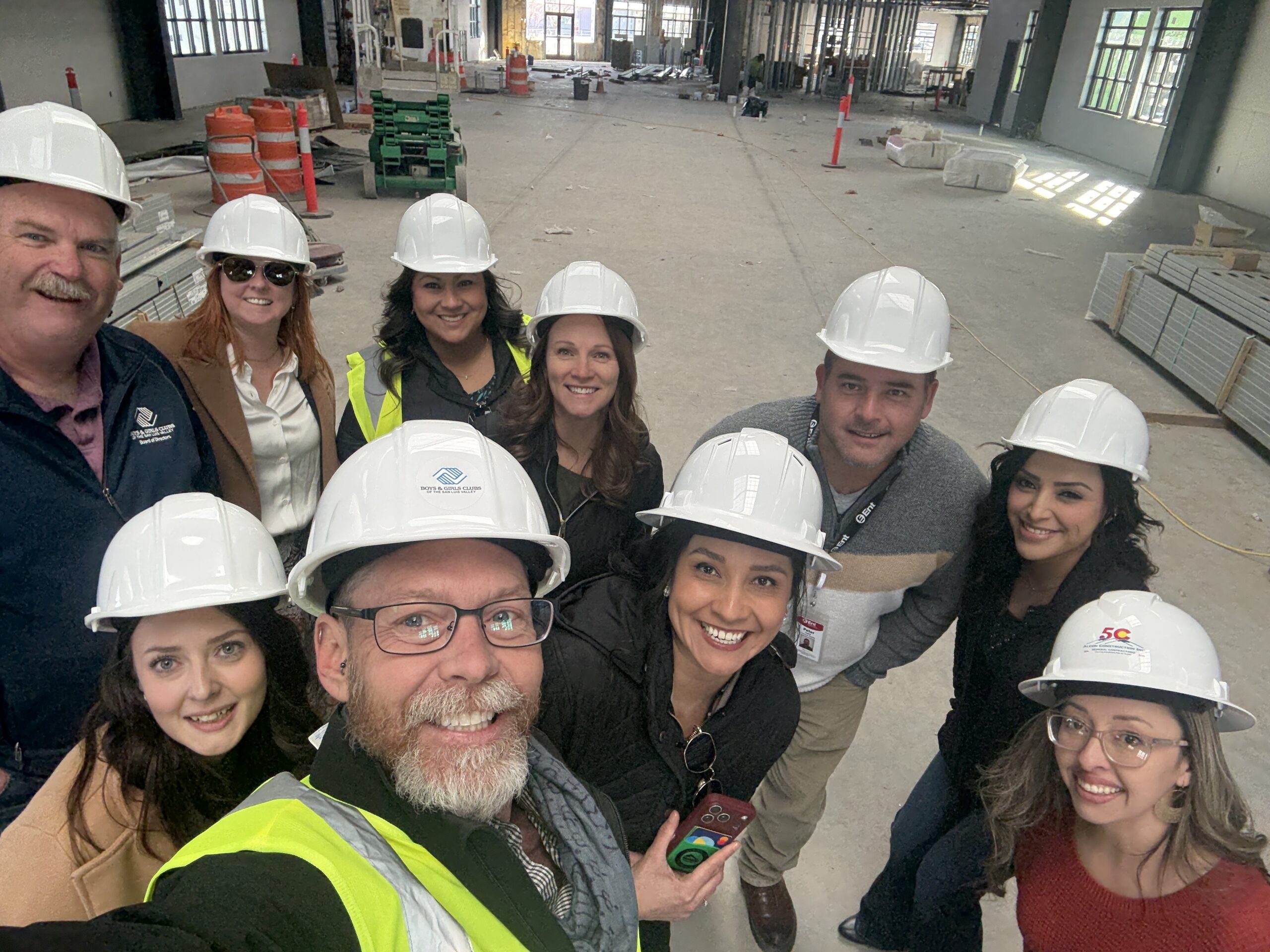
The long anticipated project is currently nearing the final stages of construction. With the help of a Community Connections grant from Boettcher Foundation in May 2025, Miltenberger and his team are aiming to open the center for enrollment in August, potentially reaching full capacity by January 2027.
However, Miltenberger believes Boettcher has played a significant role in his journey since the project’s inception.
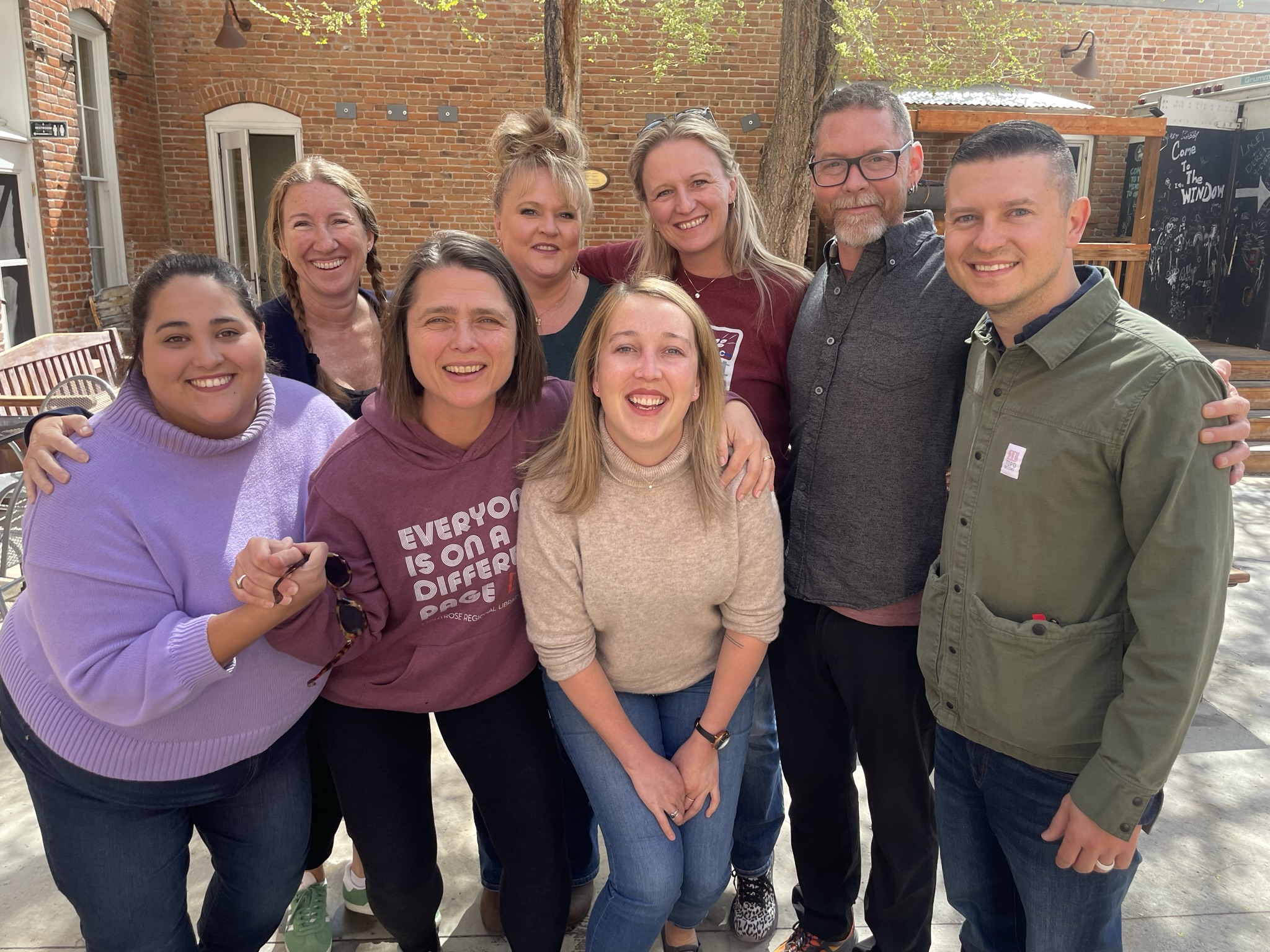
As a member of Boettcher’s 2023 Doers and Difference Makers Fellowship cohort, Miltenberger participated in a nine-month program with other community champions across Colorado to develop and practice multi-dimensional leadership skills.
He said the Fellowship helped him reflect on his identity as a leader—insights he brought back to BGCSLV and to the project.
“The program helped me realize that leadership is an activity, not a title,” said Miltenberger. “I stopped thinking that my job was to carry the whole thing. Instead, it was to build the conditions where partners could own their pieces of the solution and community trust stays intact.”
But now that the center is almost ready, Miltenberger hopes to instill a new form of leadership into his community: leading by example.
“Our goal is sustainability. We want to create a model that can survive grant cycles and changing societal circumstances,” Miltenberger said. “This isn’t just a San Luis Valley problem. It’s not even just a statewide problem. It’s a national problem and we’re trying to design a system that could be a blueprint for rural colleagues everywhere.”
The San Luis Valley isn’t just shaped by land, scenery, or weather. It’s deeply formed by tight-knit relationships, multi-generational families and a deep memory of who shows up and does the work everyday.
Miltenberger says that in this community, stewardship is more important than short-term wins or individual achievements. It’s about preserving the land, institutions, relationships, and trust not just today, but for generations to come.
That’s the Spirit of Boettcher.