Every morning, Coloradans from across the state wake up wondering what their next meal will be and where it will come from.
They line up at their local food banks and mobile pantries. Some older adults, some with small children beside them. Others make long trips to grocery stores on small budgets just to be forced into a tough decision: will they be sacrificing meat or produce this week?
According to Food Bank of the Rockies, hunger levels both locally and nationally have reached a 10-year high. Nearly 744,950 people in Colorado—including 172,540 kids—are living with food insecurity, representing nearly 13% of the state’s population.
As costs of living in our country continue to rise and other economic pressures emerge, more and more people are turning to food assistance programs and organizations for help. But with this higher demand comes a greater resolve for some of Colorado’s most impactful food distribution leaders, advocates, and volunteers.
The Roots of Food Insecurity
When it comes to Coloradans, food insecurity can manifest itself in many different ways.
“It really just means that people aren’t able to consistently access the amount of food they need to thrive and live a healthy life,” said Ashley Newell, director of community building and food systems at Food Bank of the Rockies. “It’s truly unique to every household and individual that experiences it.”
This could be an early-career resident in the Metro Area struggling to keep up with rising rent. Or an older couple in Fort Collins drowning in health care costs after multiple surgeries and emergencies.
It could even be a family of four in the high country driving 30 miles in the snow during the frigid winter months to get to the nearest grocery store. Whatever the reason, the lack of access to affordable, fresh sources of food leaves most Colorado residents with no choice but to cut back on their food budget.
That’s where non-profit organizations like the Food Bank come in. Widely recognized as having the largest coverage area in the contiguous United States, the Food Bank serves over 33 different counties across the state by distributing food and providing food services.
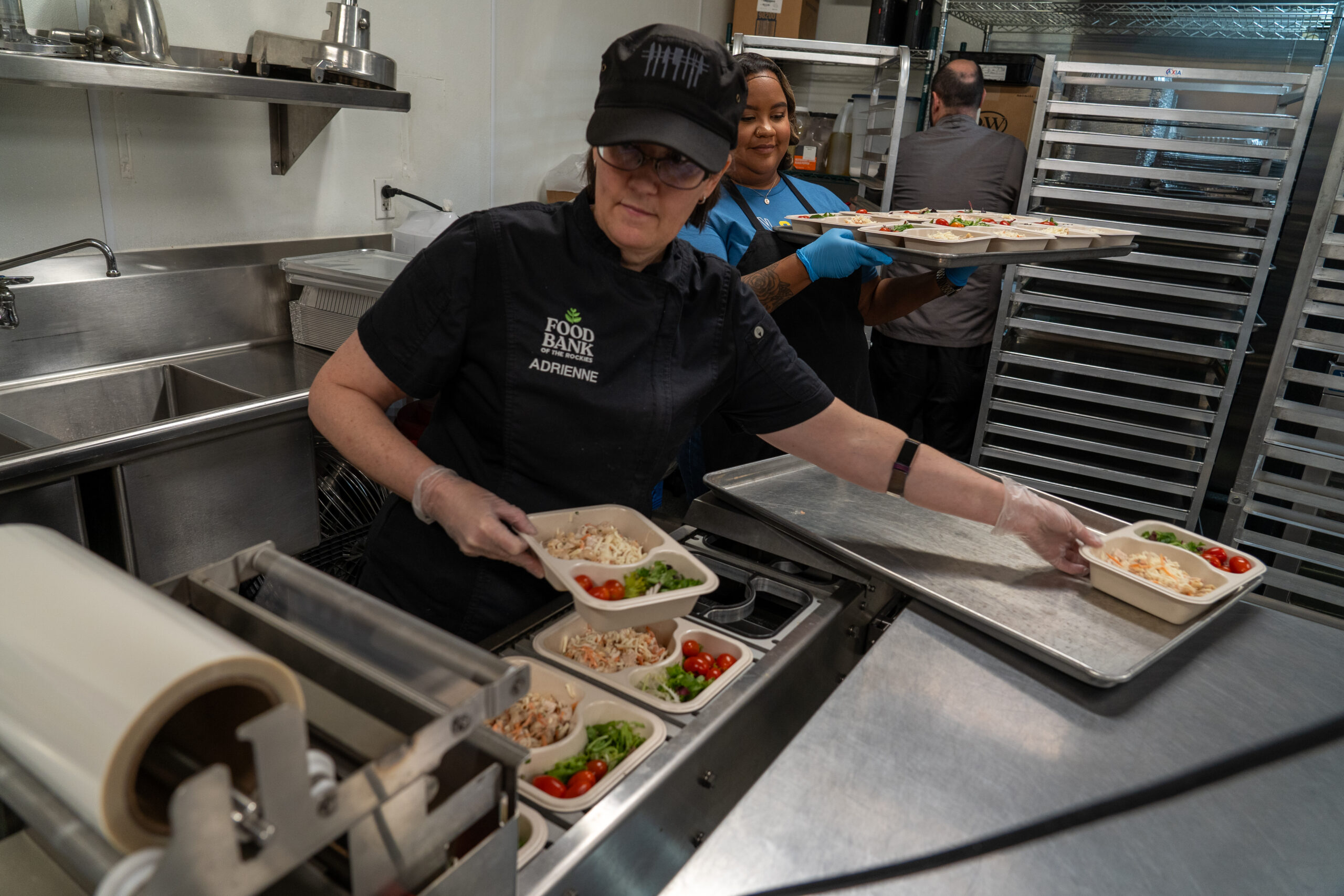
They partner with over 800 Hunger Relief Partners to reduce barriers of access and economic factors like housing and health care. In areas where they see gaps, the team deploys mobile pantries to directly serve community members.

They even meet directly with members in the community to understand food preferences.
According to Newell, their goal is to provide Coloradans not just with the food they need, but the food they want and deserve, as well.
“We really see a diversity of pressures in our state’s urban and rural communities,” Newell said. “From the eastern plains, to the Denver metro area, to the mountains and the western slope—we really lean on work and collaboration to understand the needs of each community and provide hunger relief services wherever we can.”
One of these large-scale efforts lies in Grand Junction at the Food Bank’s Western Slope Etkin Family Distribution Center. Home to the only dehydrator program in the entire Feeding America network, the center turns locally sourced produce into healthy, convenient snacks for rural families west of the Continental Divide.
They even partner with St. Mary’s Meals on Wheels to deliver up to 1,000 meals per day to older adults across Mesa County.
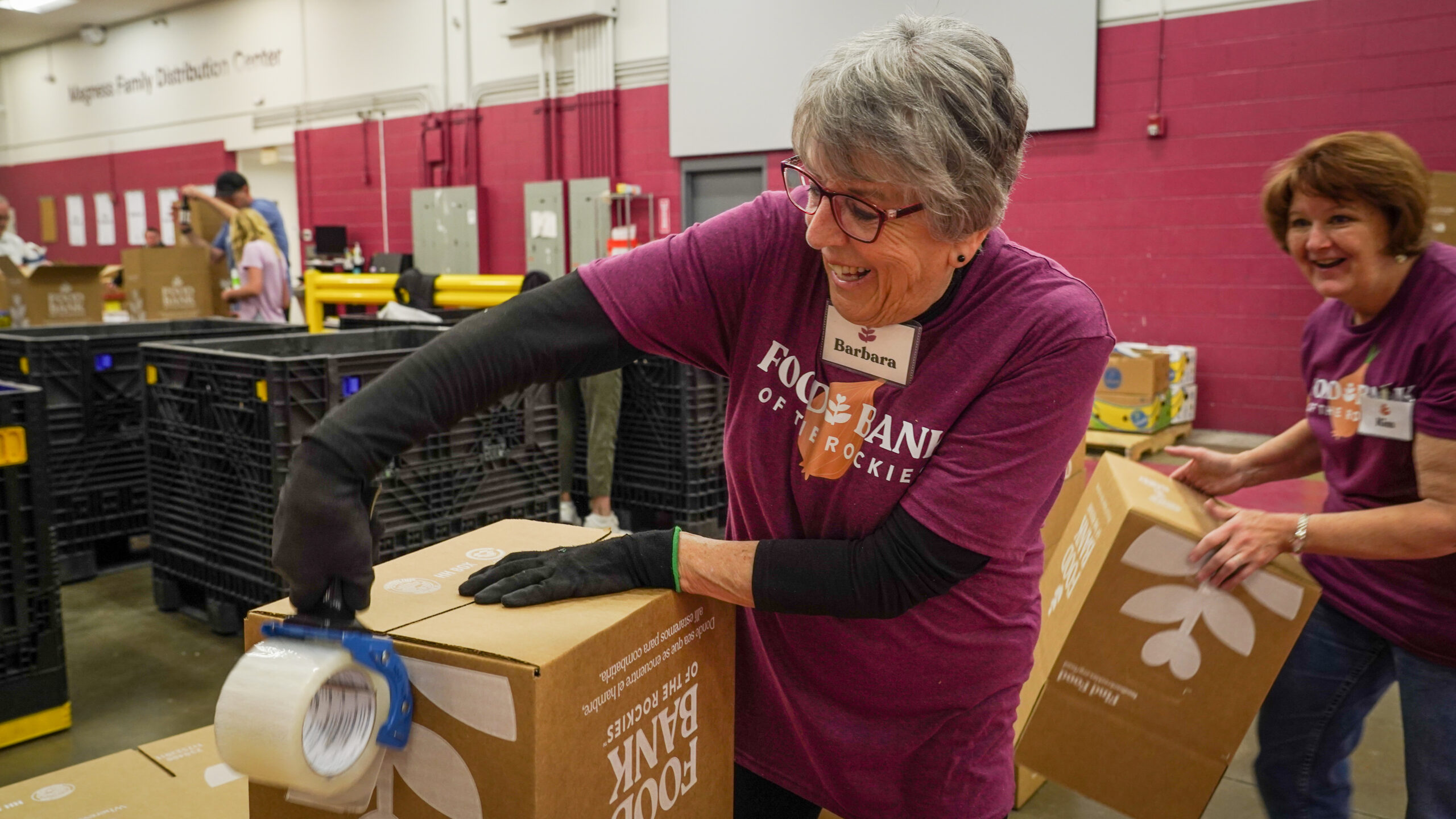
The organization has been successful. Last year alone, they distributed enough food for more than 71 million meals to nearly 400,000 neighbors in rural and urban areas. But as food insecurity in Colorado continues to rise, they are preparing to step up their efforts even further.
“We are currently building a new food distribution center that will open up near Aurora in the winter. This is going to really help us scale up our capacity and efficiency to keep up with the demand,” said Newell. “And for those who want to help out—we always welcome volunteers and donations. Even just a $1 donation helps us secure enough food to provide three meals for people in need.”
Reclaiming Food Systems
Of course, food distribution and hunger relief services are only half the battle when combatting food insecurity. Other groups in the state are attacking the issue from the ground up.
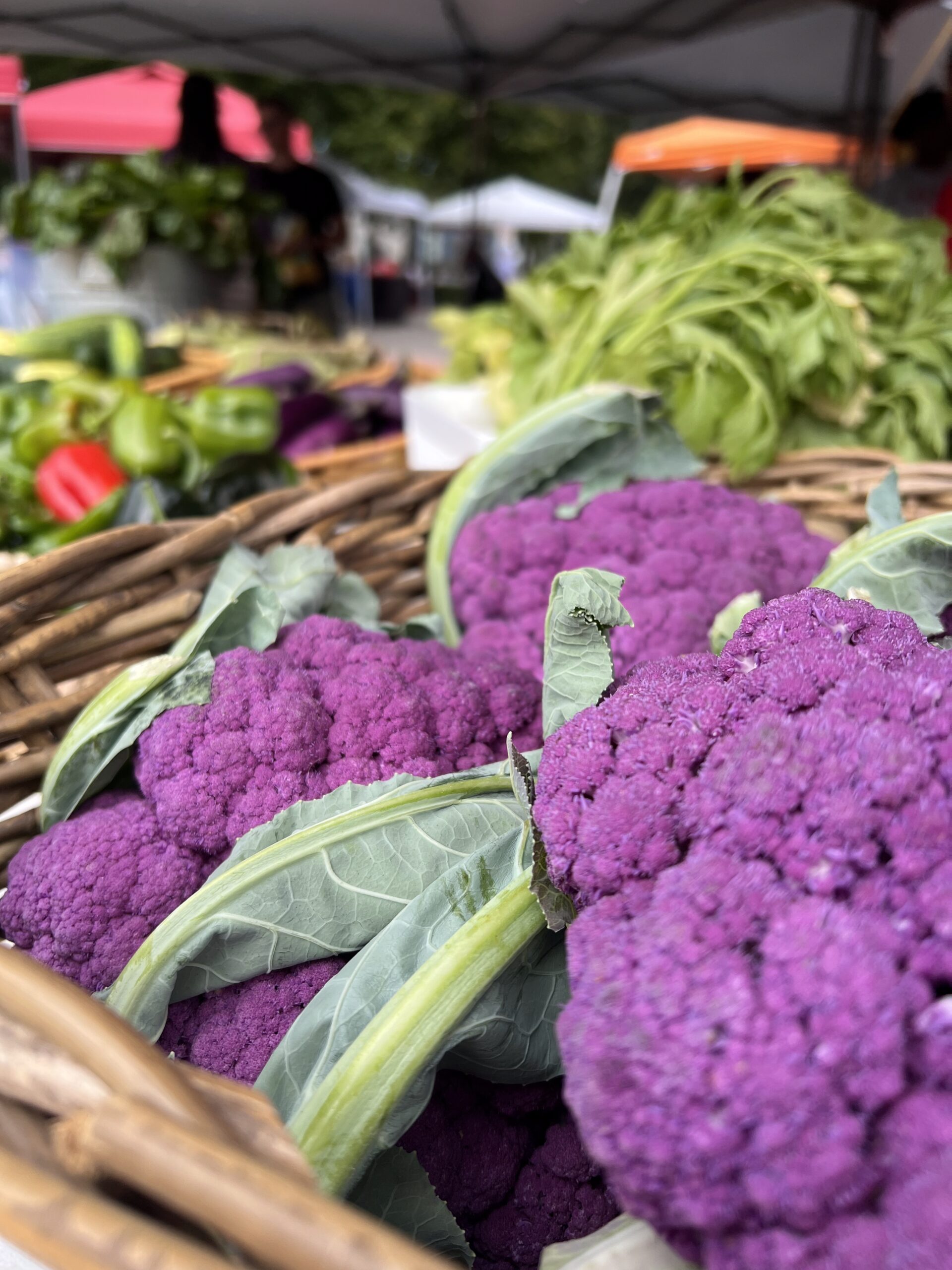
“To improve food access locally, we need to help communities build more resilient food systems in the face of climate change, supply chain issues and economic fragility,” said Joël McClurg, the executive director of systems at Provecho Collective, formerly known as the Colorado Blueprint to End Hunger. “Our goal is to convene community collaborators around different facets of ‘power’ in the food system that maybe smaller grassroots organizations don’t have access to. That way we can almost democratize it in a way and make it more accessible.”
To do this, McClurg and his team focus their work around a phrase that they like to call “food sovereignty.”
The mission behind the mantra is simple: local communities deserve to control the way in which they grow food, distribute food and feed themselves.
“We often see third-party entities—like a large retail chain or farm—come into these areas and exercise an egregious amount of control over the land and the food system as a whole,” McClurg said. “They are external to the community, yet they pull a lot of money away from the local economy and dictate a lot of the decision-making. We want community leadership to make those decisions and control how they invest into their own food system.”
Across Colorado, this mission has evolved into work that has taken many forms. In some cases, it’s connecting communities with large funding sources to help them build their own food system infrastructure. In others, it’s spreading awareness and helping communities tell their story.
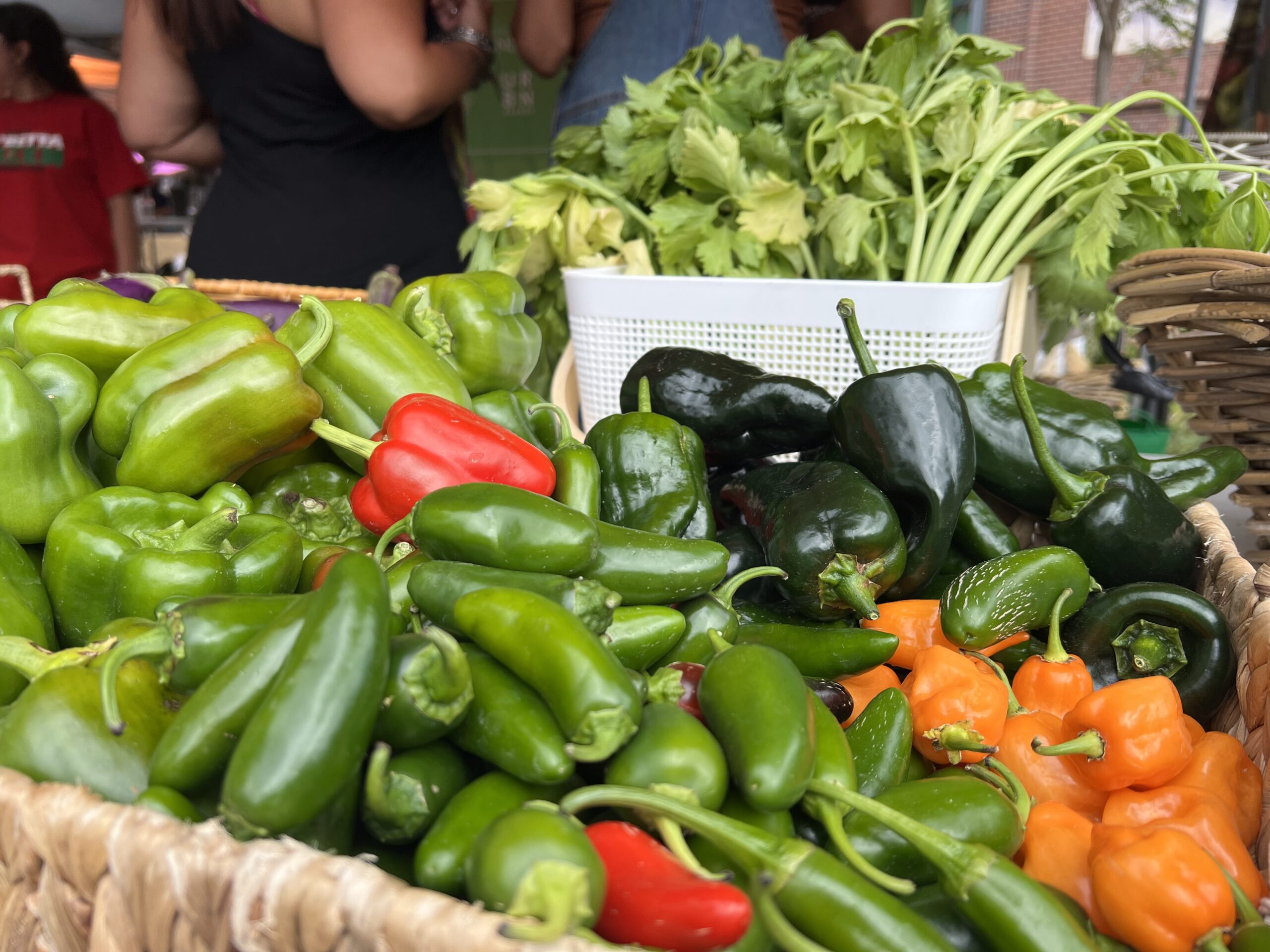
McClurg says a great example of their outreach is their collaboration with Roberto Meza, CEO of Hearty Provisions.
“Meza is a unicorn. He understands the business model, he understands the economics, he understands how to grow food. They don’t need help building capacity, but he will come to me and say they need help attracting funding for his initiatives,” said McClurg. “That’s something we are exploring with him right now. We’re putting together a toolkit and figuring out how to connect him with entities across the state who want to support their efforts.”
Provecho is also working on a new initiative that involves helping communities integrate AI tools into their business processes.
But regardless of their task at hand, it all comes back to food insecurity.
“When local communities have control of their food system and are able to prosper off their own self-sustainability, they are often able to produce more food and increase access for their people,” McClurg said. “We want to help people create favorable market conditions at home so they can feed themselves—completely free of the various factors and economic conditions happening around them.”
That’s the Spirit of Boettcher.
If you or loved ones are experiencing food insecurity, we highly recommend the following Colorado resources.
The Food Bank of the Rockies offers a searchable pantry locator where you can enter your city or ZIP code in the Denver metro area (and beyond) to find free food distributions, and they also have a SNAP outreach team to help with benefit questions.
The Hunger Free Colorado statewide hotline (1-855-855-4626) connects you to local food and nutrition resources, plus offers assistance with SNAP applications and referrals.